Turn Personal Interest Into a Long-Term Pursuit

Building a personal collection can be rewarding because it combines history, craftsmanship, discovery, and personal meaning. Whether the collection includes coins, jewelry, antiques, memorabilia, or decorative objects, its value often depends on far more than price alone. A strong collection reflects careful choices, reliable information, proper care, and a clear sense of purpose. It can become a source of enjoyment, a record of personal interests, and, in some cases, an asset that grows in importance over time.
The most successful collectors rarely purchase items at random. They learn how condition affects value, how to recognize reputable sellers, and why documentation matters. They also develop patience, because worthwhile pieces are not always easy to find. Rushing into purchases can lead to overpaying, buying altered items, or accumulating objects that do not fit together.
A valuable collection begins with planning. By defining a focus, researching each purchase, preserving items correctly, and keeping complete records, collectors can make informed decisions and avoid common mistakes. The following strategies explain how to build a collection that is both personally satisfying and easier to protect, evaluate, and eventually pass on.
Choose a Clear Focus Before You Start Buying
A collection becomes easier to manage when it has a clear direction. Some collectors focus on a specific period, material, artist, manufacturer, country, theme, or style. Others may collect objects connected to family history, regional culture, or a particular event. A defined focus helps prevent impulse purchases and allows the collector to develop deeper knowledge over time.
Before purchasing any collectors item, learn which characteristics influence its desirability. Age alone does not guarantee value. Condition, rarity, originality, craftsmanship, provenance, and demand all matter. Two objects that appear nearly identical may have very different market values because one has been repaired, reproduced, or altered.
Research should begin before speaking with an antique seller. Review reference books, auction archives, museum collections, collector associations, and historical catalogs. Learning the names of materials, makers, production methods, and common defects makes it easier to ask useful questions. It also helps collectors recognize whether a price is reasonable.
Condition standards vary by category. Minor wear may be acceptable on an old object, while refinishing can reduce value significantly. In some fields, original patina is desirable because it supports age and authenticity. In others, damage such as cracks, missing parts, staining, or heavy polishing may greatly reduce market interest.
Collectors should also decide whether their primary goal is enjoyment, preservation, resale potential, or a combination of these. A collection built around personal taste may differ from one assembled mainly for financial purposes. Neither approach is wrong, but the goal should guide purchasing decisions.
Keeping a wish list can improve discipline. Instead of buying every appealing object, collectors can prioritize specific pieces, price ranges, and quality standards. This approach creates a more coherent collection and makes each purchase feel intentional.
Learn How Value Is Determined Before Making Deals
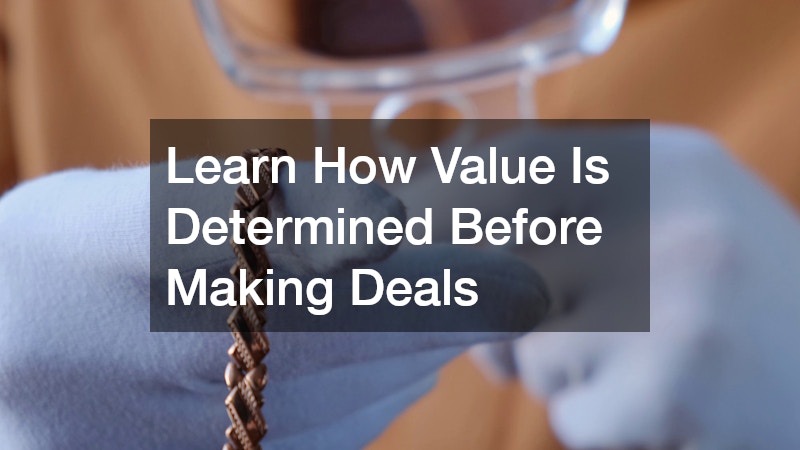
Market value is influenced by several factors, including scarcity, condition, historical importance, authenticity, and current demand. Collectors should never assume that an asking price represents an item’s true worth. Sellers may price optimistically, and buyers may interpret sentimental value as financial value.
When dealing with coins, a reputable coin buyer can offer insight into condition, metal content, rarity, and current market demand. However, collectors should understand that buying offers are not the same as formal appraisals. A buyer must account for resale costs, inventory risk, and profit, so the offer may be lower than the estimated retail value.
A coin appraisal service can provide a more detailed evaluation, especially for estates, insurance, legal matters, or high-value collections. The appraiser may examine dates, mint marks, grading, authenticity, and market comparisons. Written documentation is especially useful when the collection includes rare or historically significant pieces.
Collectors should compare several sources before buying or selling. Auction results can reveal what similar items actually sold for, while dealer listings may reflect retail asking prices. Price guides are helpful, but they can become outdated and may not account for local demand or rapid market changes.
Condition grading deserves special attention. Small differences in wear, luster, surface damage, or restoration can create large differences in price. Collectors should learn the accepted grading language used in their category and avoid relying only on vague descriptions such as “excellent” or “very old.”
Documentation strengthens value. Save receipts, appraisal reports, grading certificates, photographs, correspondence, and any information about previous ownership. If an item has an interesting history, record it while the details are still available.
Collectors should also be cautious about treating every purchase as an investment. Markets change, and some categories become less popular over time. The best approach is to buy items that are appealing and well researched, while viewing potential appreciation as a benefit rather than a guarantee.
Verify Authenticity Before Completing a Purchase
Collectibles can be found through many sources, including dealers, auctions, online platforms, estate sales, specialty shows, and local businesses. Each source has advantages, but every purchase should be evaluated carefully. A trusted seller should be willing to explain what the item is, how it was acquired, and whether any repairs or alterations have been made.
A pawn store may offer jewelry, coins, watches, instruments, and other valuable objects at competitive prices. However, inventory can vary widely, so buyers need to inspect items closely. Ask whether the store tests precious metals, verifies gemstones, or provides return policies. A lower price is only useful when the item is accurately represented.
A specialty coin shop can be valuable for collectors because the staff may have category-specific expertise. Established shops often carry graded coins, reference materials, storage supplies, and information about market trends. They may also help new collectors understand common counterfeits and signs of cleaning or damage.
Authenticity should never be assumed based on appearance alone. Reproductions can be convincing, and some altered items are designed to look older or rarer than they are. Collectors should examine maker’s marks, signatures, construction methods, materials, weight, dimensions, and signs of artificial aging.
For expensive purchases, independent verification is often worth the cost. Certification, laboratory testing, expert opinions, and professional grading can reduce uncertainty. Buyers should be wary of certificates created by unknown organizations or documents that cannot be verified.
Provenance can also support authenticity. A record of ownership, original packaging, photographs, letters, or purchase receipts may increase confidence and historical interest. However, documents can also be fabricated, so they should be evaluated along with the object itself.
Red flags include pressure to buy quickly, refusal to answer questions, inconsistent descriptions, unusually low prices, and claims that cannot be supported. Collectors should be willing to walk away. Missing one opportunity is better than adding a questionable piece that weakens the quality of the collection.
Preserve Condition and Avoid Unnecessary Alterations
Proper care is essential because poor storage can destroy value gradually. Heat, humidity, sunlight, dust, moisture, and handling can damage metals, paper, textiles, wood, gemstones, and painted surfaces. Collectors should understand the needs of each material and create a stable environment.
Items should be stored in archival-quality holders or containers when appropriate. Acidic paper, plastic containing harmful chemicals, rubber bands, tape, and ordinary cardboard may cause staining, corrosion, or surface damage. Jewelry should be separated to prevent scratching, while coins should be handled by the edges.
Personalization can affect value in different ways. Custom engraving may make an item more meaningful, especially when it marks a wedding, achievement, or family event. However, adding new engraving to an older collectible can reduce resale interest because it changes the original condition. Before personalizing a valuable object, consider whether it is primarily intended for personal use or future resale.
Maintenance should be conservative. Aggressive polishing, chemical cleaning, refinishing, or amateur repairs can permanently damage an item. Collectors often reduce value by trying to make an object look newer. Original surfaces and signs of age may be important to authenticity.
Professional jewelry repair may be appropriate when a piece has a loose stone, worn prong, broken clasp, or damaged setting. The repair should be performed by someone experienced with the item’s age, material, and construction. Inappropriate soldering, replacement parts, or polishing may alter the piece significantly.
Photograph items before any work is done, and keep records of repairs. If replacement parts are necessary, ask that the original components be returned. Documentation helps future owners understand what was changed.
Collectors should inspect storage areas regularly for moisture, pests, fading, corrosion, and physical pressure. A piece that is protected today may still develop problems later. Consistent care is far less expensive than trying to restore serious damage after it occurs.
Add Precious Materials With Careful Evaluation
Precious metals and gemstones can add variety and value to a personal collection, but they require specialized knowledge. Gold, silver, platinum, and diamonds are influenced by material value as well as design, rarity, maker, age, and condition. A piece may be worth more as jewelry than for its raw components.
When consulting a gold buyer, collectors should understand how the item will be evaluated. Weight and purity are important, but branded jewelry, antique craftsmanship, or historical importance may create additional value. Selling an older piece only for scrap could result in losing a significant premium.
A diamond ring should be evaluated based on more than visual size. Cut, clarity, color, carat weight, setting quality, certification, and overall condition all affect value. Antique or designer rings may also have importance because of their style, maker, or period.
Independent testing can provide useful information about metal purity and gemstones. Hallmarks, maker’s marks, and certificates should be checked carefully. Collectors should not assume that a stamp alone proves authenticity, since marks can be copied or altered.
Diversification should remain purposeful. Adding precious metals simply because they seem valuable can weaken the focus of a collection. The new piece should connect to the collector’s theme, whether through design, period, origin, symbolism, or family significance.
Insurance should also be considered for valuable jewelry and precious materials. Standard homeowners policies may have limited coverage for high-value objects. A scheduled policy or separate endorsement may require an appraisal and updated photographs.
Collectors should review values periodically because precious metal prices and jewelry markets can change. Updating appraisals every few years helps ensure that insurance coverage remains appropriate.
Precious objects are often small and easy to misplace or steal. Secure storage, limited handling, discreet recordkeeping, and careful transportation are essential. Protecting these pieces preserves both financial value and personal meaning.
Create a Collection That Can Be Understood Later
A collection becomes more valuable and useful when it is well documented. Future family members, appraisers, insurers, or buyers may not know why certain objects matter unless the collector leaves clear records. Good documentation transforms a group of objects into an organized archive.
Create an inventory with photographs, descriptions, purchase dates, costs, dimensions, materials, condition notes, and storage locations. Include identifying marks, certificate numbers, and related documents. Digital copies should be backed up securely, while important originals should be stored safely.
Collectors should also record the story behind each piece. Note where it came from, why it was purchased, and any family or historical connection. These details may not always increase market value, but they can greatly increase personal and cultural importance.
Estate planning is another important consideration. Decide whether the collection should remain together, be divided among family members, donated, or sold. Discuss these intentions openly to reduce confusion later. A collection that is not clearly organized may be sold quickly without proper evaluation.
Periodic reviews help keep the collection focused. Some pieces may no longer fit the theme, while others may need updated appraisals or improved storage. Selling lower-priority items can provide funds for better acquisitions.
Collectors should continue learning. Attend exhibitions, read specialist publications, join collector groups, and speak with experienced professionals. Knowledge improves judgment and makes the process more enjoyable.
The strongest collections are built gradually. Patience allows collectors to recognize quality, avoid repetition, and wait for better opportunities. Over time, informed choices create a collection that reflects both personal passion and careful stewardship.
Preserve Meaning as Well as Monetary Value
A personal collection becomes truly valuable when it is thoughtfully built, carefully protected, and clearly documented. Strong collections are not defined only by how much individual objects cost. They gain importance through quality, authenticity, historical interest, personal meaning, and the care invested in preserving them.
Collectors should begin with a clear focus and continue developing their knowledge before making major purchases. They should compare market information, verify authenticity, store objects correctly, and avoid unnecessary alterations. Complete records make it easier to insure, evaluate, sell, or transfer the collection in the future.
It is equally important to collect with patience. Valuable opportunities often appear over time, and the pressure to buy quickly can lead to poor decisions. A smaller group of well-chosen items is usually more satisfying and easier to manage than a large collection assembled without direction.
By combining curiosity with discipline, collectors can create something that offers lasting enjoyment and purpose. A well-maintained collection may preserve craftsmanship, family history, cultural memory, and personal achievement for decades. With responsible planning, it can become more than a group of possessions. It can become a meaningful legacy that future generations understand and appreciate.